Admin
Admin
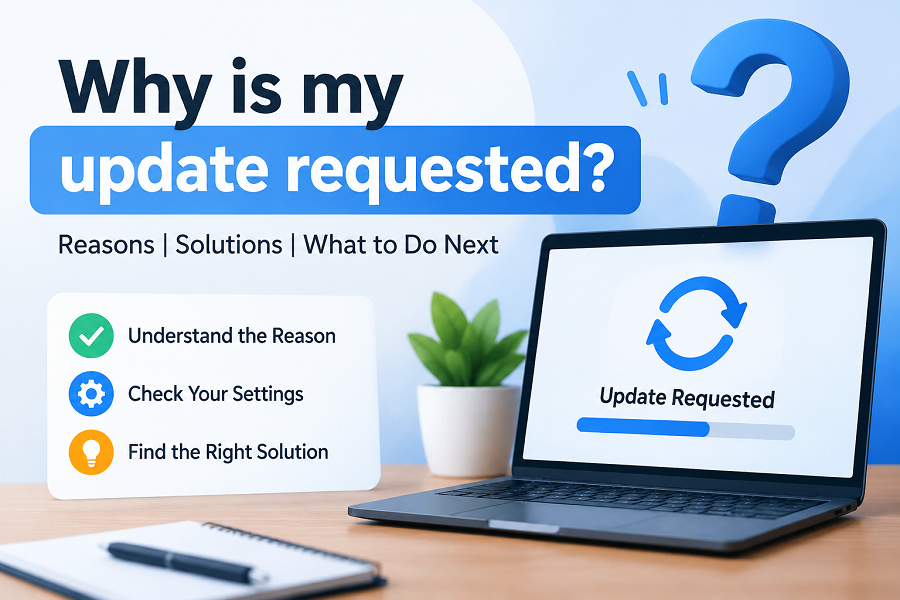
Many people encounter messages that say “update requested” when using apps, websites, devices, online accounts, or digital services.
A common question is:
“Why is my update requested?”
An update request usually means that a system, application, company, or service needs new information, a newer version, or user confirmation before it can continue.
The reason can be simple, such as improving software performance, or more importantly, protecting an account or verifying information.
Understanding why an update is requested helps users respond correctly and avoid unnecessary problems.
What Does “Update Requested” Mean?
An update requested message indicates that a change or refresh has been initiated but may require user action or system processing.
The word “update” can refer to different things depending on the situation.
For example:
| Software update | Installing a newer version of an app or system |
| Account update | Changing personal or profile information |
| Security update | Improving protection against threats |
| Information update | Confirming or replacing outdated details |
| Document update | Providing new verification documents |
The exact reason depends on where you see the message.
Common Reasons Why an Update Is Requested
Software Needs a New Version
One of the most common reasons for an update request is outdated software.
Apps and operating systems regularly release updates to improve:
- Performance
- Security
- Compatibility
- Features
- User experience
Example:
A mobile banking app may request an update because the older version no longer supports new security features.
Security Improvements
Security is one of the biggest reasons companies request updates.
Technology changes quickly, and software developers regularly fix security weaknesses.
Updates may include:
- Bug fixes
- Security patches
- Privacy improvements
- Protection against new threats
Keeping software updated reduces the risk of problems caused by outdated versions.
Your Account Information Needs Updating
Many online services ask users to update information periodically.
Examples include:
- Email accounts
- Banking platforms
- Government services
- Shopping websites
- Subscription services
An update request may ask you to confirm:
- Name
- Address
- Phone number
- Email address
- Payment information
Companies may require updated information to maintain accurate records.
Verification Requirements
Some platforms request updates because they need additional verification.
This may happen when:
- Information has expired
- A security review is required.
- Regulations require updated details.
- Account activity appears unusual.
Examples:
A financial service may request updated identification documents.
A professional platform may ask users to confirm employment details.
New Features Are Available
Sometimes an update request simply means a newer version includes improvements.
Examples:
A social media app update may introduce:
- New design
- Better messaging features
- Improved privacy controls
A productivity app may add:
- New tools
- Faster performance
- Better integration
Device Compatibility Issues
Your device may request an update because older software is no longer compatible.
For example:
- A smartphone operating system update
- A browser update
- A computer driver update
New technology often requires updated software to work properly.
Why Do Apps Keep Asking for Updates?
Many users wonder why apps frequently request updates.
Apps receive updates because developers continuously improve them.
Reasons include:
Bug Fixes
Developers identify and fix problems that affect users.
Examples:
- App crashes
- Slow loading
- Display issues
Performance Improvements
Updates can make apps:
- Faster
- More stable
- More efficient
New Features
Developers add features based on:
- User feedback
- Market changes
- Technology improvements
Security Protection
Regular updates help protect user data.
Why Is My Update Requested on My Phone?
Phone update requests usually relate to:
- Operating system updates
- App updates
- Security patches
- Manufacturer improvements
Common examples:
Android Updates
Android phones may request updates for:
- System improvements
- Security fixes
- New features
iPhone Updates
iPhones may request updates for:
- iOS improvements
- Security changes
- App compatibility
Why Is My Account Update Requested?
If a website or service asks you to update your account, it usually wants current information.
Possible reasons:
Expired Information
Your stored details may no longer be accurate.
Example:
You moved to a new address, but your account still shows your old location.
Security Confirmation
The company may want to confirm that you still control the account.
Improved Services
Updated information can help provide:
- Better recommendations
- Correct notifications
- Accurate billing
Is an Update Request Always Safe?
No.
While many update requests are legitimate, some can be scams.
Users should be careful with unexpected messages.
How to Identify a Safe Update Request
Before updating anything:
Check the Source
Ask:
- Did the message come from the official app?
- Is the website address correct?
- Does the company normally request updates this way?
Avoid Suspicious Links
Do not click update links from unknown emails or messages.
Instead:
Open the official app.
Visit the official website.
Check notifications inside your account.
Do Not Share Sensitive Information
Be careful if an update request asks for:
- Passwords
- Bank PINs
- Security codes
- Unnecessary personal information
Legitimate companies usually do not request sensitive login credentials through random messages.
What Should I Do When an Update Is Requested?
Follow these steps:
Understand the Reason
Read the update message carefully.
Look for:
- What needs updating
- Why is it required
- Deadline information
Verify the Request
Confirm that the request comes from a trusted source.
Complete the Update
Follow official instructions.
Examples:
- Install the latest app version.
- Confirm account information
- Upload required documents
Check Confirmation
After completing the update, confirm:
- The update was successful.
- Your information is correct.
- The service works normally.
Difference Between Update Required and Update Requested
These terms sound similar but have different meanings.
| Update Requested | A request has been submitted or needs attention |
| Update Required | You must complete the update before continuing |
| Update Available | A newer version exists but is optional |
Understanding the difference helps users know how urgent the action is.
Why Businesses Request Customer Updates
Companies often need updated information to maintain accurate records.
Reasons include:
Better Customer Service
Updated details help businesses:
- Contact customers
- Provide correct services
- Deliver products properly
Compliance Requirements
Some industries must maintain current customer information.
Examples:
- Banking
- Insurance
- Financial services
Improved Security
Updated information helps prevent:
- Unauthorized access
- Identity problems
- Account misuse
Why Software Updates Are Important
Ignoring updates can create problems.
Possible risks include:
Security Problems
Older software may contain vulnerabilities.
Performance Issues
Outdated applications may become slower.
Compatibility Problems
New services may stop working correctly with older versions.
Common Update Problems and Solutions
| Update will not install | Check internet connection and storage |
| Update keeps appearing | Restart app or device |
| Account update fails | Verify information entered |
| Update link does not work | Use official website/app |
| Device becomes slow after update | Restart and check settings |
Should I Update Immediately?
It depends on the type of update.
Security Updates
Usually, these should be installed promptly.
Feature Updates
You may choose a convenient time.
Account Updates
Complete them before deadlines if required.
How to Manage Update Requests Better
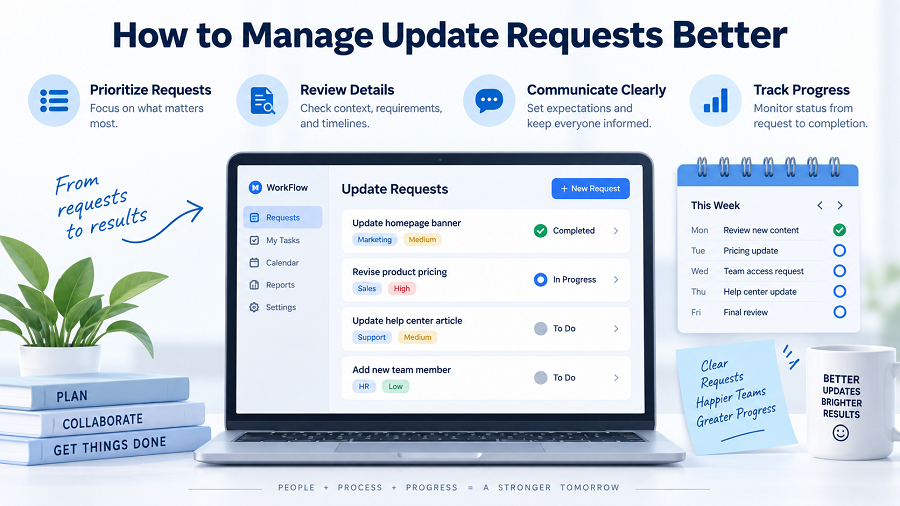
Follow these habits:
Keep Software Updated
Enable automatic updates where appropriate.
Review Account Information Regularly
Check important accounts periodically.
Use Official Sources
Always update through trusted platforms.
Keep Backup Copies
Before major device updates, consider backing up important files.
Update Requests in Different Situations
Banking Apps
May request updates for:
- Security improvements
- Regulatory requirements
- App compatibility
Social Media Apps
May request updates for:
- New features
- Performance improvements
- Privacy changes
Business Platforms
May request updates for:
- User information
- Subscription details
- Security verification
Key Takeaways
- “Update requested” means a system needs a change, confirmation, or newer information.
- Updates may involve software, accounts, security, or documents.
- Always verify update requests before providing personal information.
- Official apps and websites are the safest places to complete updates.
- Keeping software and account information current improves security and reliability.
FAQs About Why Is My Update Requested
Why is my update requested?
An update may be requested because the software needs improvement, the account information needs verification, or the service requires new details.
Is an update request a problem?
Not always. Many update requests are normal and help improve security, performance, or accuracy.
How do I know if an update request is real?
Check the official app or website instead of clicking on unknown links. Verify the sender and request details.
Why does my phone keep asking for updates?
Your phone may request updates because of new security patches, operating system improvements, or app compatibility requirements.
Do I have to complete every update request?
Some updates are optional, while others are required to continue using a service. Check the message details to understand the urgency.